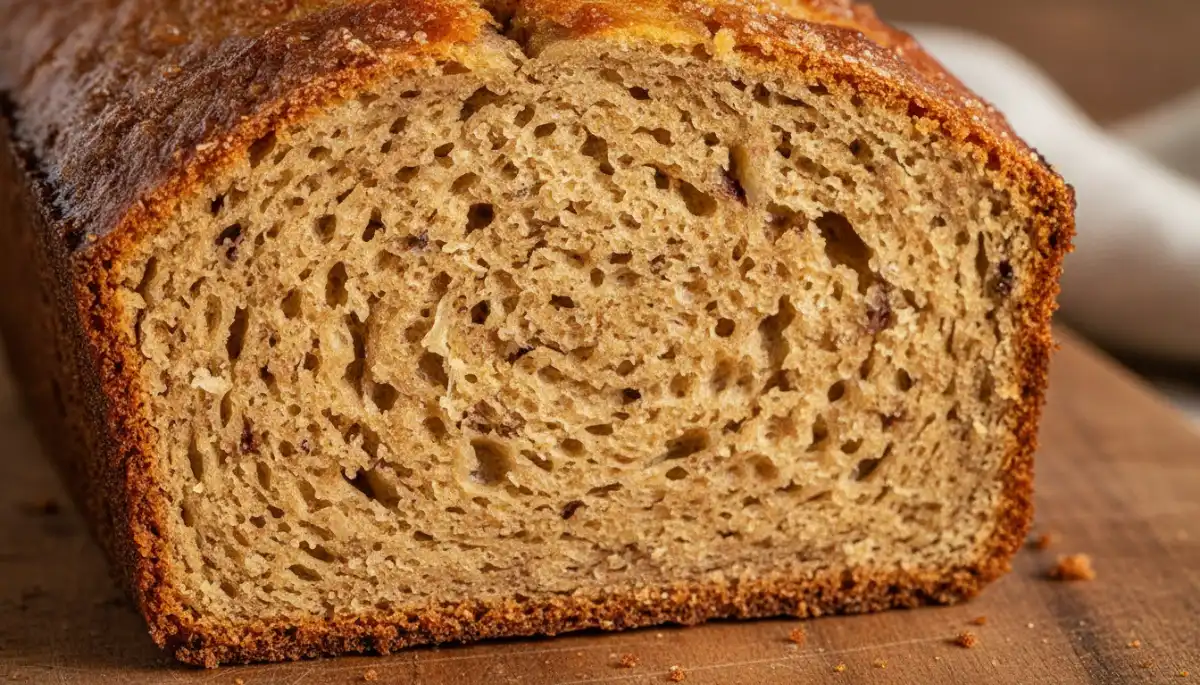
If there is one baking debate that can divide a kitchen faster than asking whether chocolate chips belong in oatmeal cookies, it is the great fat debate: should you use olive oil or butter in your banana bread? Butter promises that nostalgic, rich, melt-in-your-mouth flavor, while olive oil boasts an incredibly tender, moist crumb that stays fresh for days. As a food writer and recipe developer, I decided it was finally time to settle the score. Welcome to the ultimate substitution guide and taste test!
Recipe Video: Step-by-Step Tutorial
Watch my side-by-side comparison to see exactly how the batter texture changes depending on the fat you choose, and learn my foolproof folding technique for the perfect loaf.
The Great Debate: Flavor vs. Texture
When baking a classic banana bread, the type of fat you use acts as the foundational building block for both the mouthfeel and the flavor profile.
Butter is composed of about 80% fat and 20% water and milk solids. This means that as the water evaporates during baking, it helps create a slightly lighter, fluffier texture with a beautiful, golden-brown crust. The milk solids caramelize, offering that irresistible, classic bakery aroma.
Olive oil, on the other hand, is 100% fat. Because it is liquid at room temperature, breads baked with oil retain an unparalleled level of moisture. An olive oil banana bread will essentially never dry out on your counter. Plus, the subtle peppery and fruity notes of extra virgin olive oil elevate the sweetness of the bananas beautifully.
The Golden Rule of Substitution
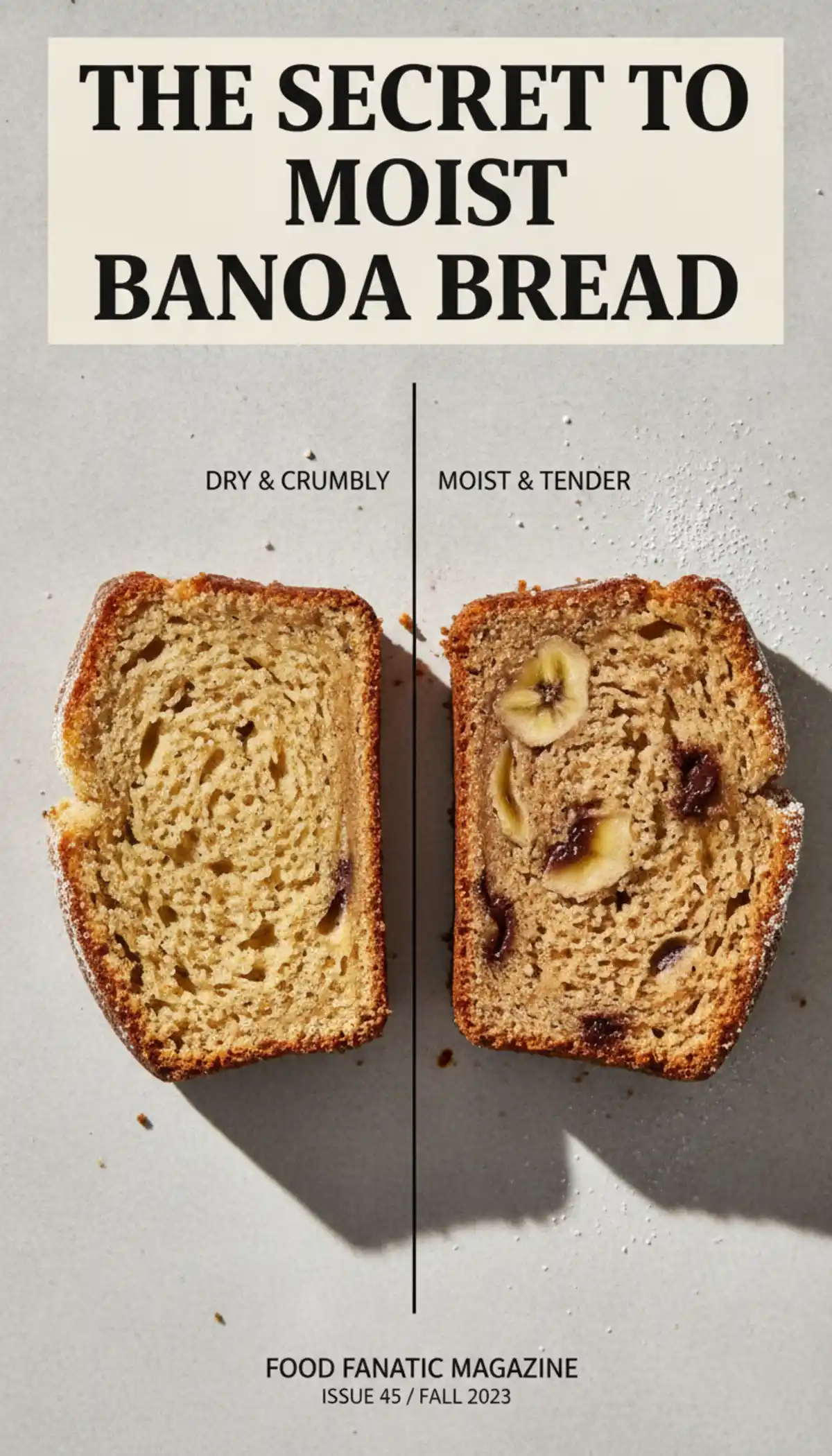
If you are looking to convert your grandmother's classic butter-based banana bread recipe into a modern olive oil masterpiece, you cannot simply swap them out in a 1:1 ratio. Because butter contains water, substituting it with equal parts oil will leave your bread overly greasy and heavy.
The golden mathematical ratio for substituting butter with olive oil in baking is 3 parts oil for every 4 parts butter.
For quick reference, here are the most common conversions you will need:
- 1.0 cup butter = 0.75 cup olive oil
- 0.5 cup butter (1 stick) = 0.33 cup (plus 1 tablespoon) olive oil
- 0.25 cup butter (half stick) = 3.0 tablespoons olive oil

Secret Chef Tips
To guarantee your banana bread turns out spectacular regardless of which fat you choose, keep these professional tips in mind:
- The Blacker the Better: Do not just wait for spots; wait until your banana peels are nearly entirely black. The starches convert to sugars at this stage, providing maximum natural sweetness and moisture.
- Do Not Overmix: The second wet meets dry, gluten begins to form. Mix just until the last streak of flour disappears. Overmixing leads to dense, rubbery bread.
- Bloom Your Spices: If you add cinnamon or nutmeg to your recipe, whisk them directly into your melted butter or olive oil before adding the other ingredients. The fat will draw out and amplify the fat-soluble flavor compounds in the spices.
- The Foil Tent: Banana bread takes a long time to bake. If you notice the top browning too quickly around the 40-minute mark, gently tent a piece of aluminum foil over the pan for the remainder of the baking time.
Detailed Step-by-Step Guide
1. Preparation is Key
Always start by preheating your oven to 350°F (175°C). Taking the time to line your 9x5-inch loaf pan with a parchment paper "sling" will save you the heartbreak of your beautiful loaf sticking to the bottom.
2. The Wet Ingredients
In a large bowl, mash your bananas thoroughly. Some people prefer a few chunks, but a smoother mash distributes the banana flavor more evenly. Whisk in your chosen fat. If using butter, ensure it is melted but slightly cooled so it doesn't scramble your egg! Add the brown sugar, room-temperature egg, and vanilla, whisking vigorously to emulsify the mixture.
3. The Dry Ingredients
You don't need a separate bowl for the dry ingredients. Simply sprinkle your flour, baking soda, and salt evenly over the top of the wet mixture. Using a silicone spatula, gently fold the batter using a sweeping "J" motion, scraping the bottom of the bowl and bringing the batter up and over. Stop the moment the flour is incorporated.
4. Baking and Cooling
Pour the batter into your prepared pan and smooth the top. Bake for 55-60 minutes. The ultimate test for doneness is a toothpick inserted into the very center—it should come out clean or with a few moist crumbs attached, but no wet batter. Crucially, let it cool in the pan for 10 minutes before lifting it out by the parchment sling. Cutting into piping hot banana bread will crush the delicate crumb structure!
Frequently Asked Questions
Can I use extra virgin olive oil for banana bread?
Absolutely! Extra virgin olive oil adds a beautiful, subtle fruity note and creates an incredibly moist crumb. If you prefer a completely neutral flavor, you can opt for light or refined olive oil instead.
What is the conversion ratio for substituting butter with olive oil?
The standard baking rule is to substitute 3 parts oil for every 4 parts butter. For example, if a recipe calls for 1.0 cup of butter, you should use 0.75 cup of olive oil.
Does olive oil make banana bread healthier?
Yes, olive oil replaces the saturated fats found in butter with heart-healthy monounsaturated fats. This makes for a more nutritious slice while simultaneously keeping the bread fresher for a longer period.
Will olive oil change the baking time?
Generally, no. The baking time will remain exactly the same whether you use butter or olive oil. Always rely on the toothpick test rather than the clock, as oven temperatures can vary.
Whether you are a traditionalist who swears by the rich, caramelized notes of browned butter, or a modern baker who loves the tender, lasting moisture of a good olive oil loaf, there is no wrong answer here. Try baking one of each this weekend and conduct your very own taste test! Happy baking, and may your kitchen always smell like warm vanilla and sweet bananas.
Warmly,
Sarah Baker