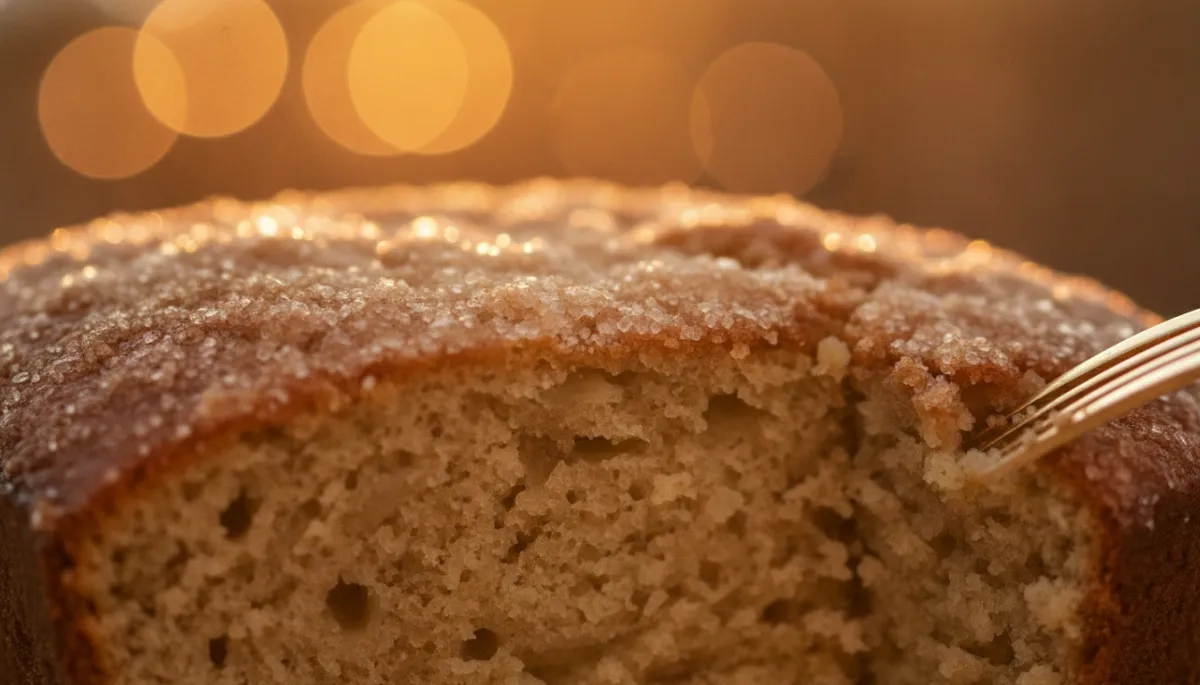
We've all experienced that heartbreaking baking moment. You pull a gorgeously domed, golden-brown loaf of banana bread from the oven. The kitchen smells like caramelized sugar and vanilla. You wait patiently for it to cool, slice into it, and—disaster. Right in the middle is a dense, wet, gummy streak that looks entirely raw. If you're wondering, "Why is my banana bread gummy in the middle?" you are not alone! As a food writer and avid baker, I've troubleshooted this exact issue dozens of times. Let's dive into the science of why this happens and exactly how you can fix it for a perfectly fluffy crumb every single time.
Recipe Video: Step-by-Step Tutorial
Watch this quick and easy video tutorial to see my foolproof method for mixing and baking the ultimate, perfectly baked banana bread without any gummy centers.
Why Your Banana Bread Turned Out Gummy
Baking is a science, and quick breads are notoriously finicky when it comes to moisture balance. Here are the most common culprits behind that dreaded gummy center.
1. The Moisture Imbalance (Too Much Banana)
Bananas vary wildly in size. If a recipe calls for "3 bananas" and you use three massive ones, you've just added significantly more water and sugar to your batter than the recipe author intended. This excess moisture weighs down the crumb, making it impossible for the center to bake through before the outside burns.
2. Overmixing the Batter
When you mix flour with wet ingredients, gluten begins to form. While you want strong gluten in a pizza dough, you want very little in a quick bread. Overmixing develops too much gluten, resulting in a tough, rubbery, and gummy texture.
3. Oven Temperature Illusions
If your oven runs too hot, the outside of your loaf will brown quickly and form a crust. This crust acts as an insulator, trapping the heat and preventing the center from baking. You might take it out thinking it's done because it looks beautiful on the outside, while the inside remains raw batter.
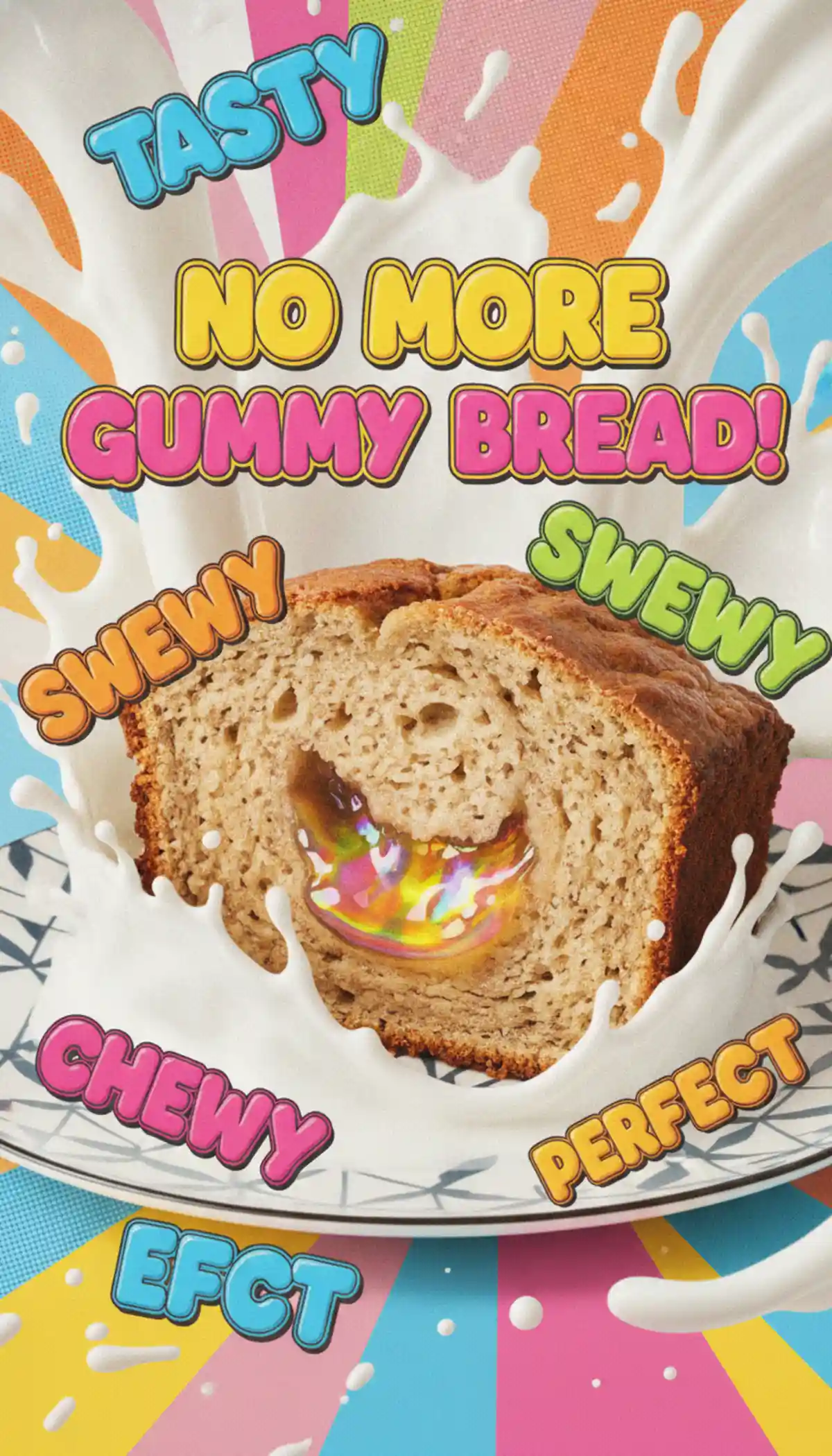
Secret Chef Tips to Prevent Gummy Banana Bread
Want to guarantee a perfectly baked loaf every single time? Add these professional bakery secrets to your home baking routine.
Use a Digital Kitchen Thermometer
This is my absolute favorite baking hack. Don't rely solely on the toothpick test, as melted chocolate chips or mashed banana pockets can give a false reading. Instead, insert an instant-read thermometer right into the center of the loaf. Perfect banana bread is done when it registers between 200°F and 205°F (93°C - 96°C).
The Foil Tent Trick
If your banana bread has been in the oven for 45 minutes, looks beautifully browned on top, but is still raw in the middle, create a "foil tent." Take a piece of aluminum foil and loosely drape it over the top of the loaf pan. This stops the top from burning while allowing the center to continue baking.
Weigh Your Mashed Bananas
To completely eliminate the "too much moisture" issue, weigh your bananas! A standard cup of mashed banana weighs about 225 grams. If you follow weight measurements rather than volume, your wet-to-dry ratio will be flawless.
Detailed Step-by-Step Guide to the Perfect Loaf
Follow these steps carefully to ensure your next loaf is light, tender, and baked all the way through.
Step 1: Prep the Right Pan
Always check your pan size. A recipe designed for an 8x4-inch pan will overflow and underbake in the center if you use a 9x5-inch pan without adjusting the time. Lightly grease your pan and line it with parchment paper for easy removal.
Step 2: Combine Wet Ingredients Thoroughly
Mash your bananas completely. Whisk them together with your melted butter, sugar, eggs, and vanilla. You can mix this wet stage as vigorously as you like—there's no flour yet, so no gluten can form!
Step 3: The Gentle Fold
Sprinkle your dry ingredients (flour, baking soda, salt) over the wet mixture. Switch from a whisk to a rubber spatula. Gently fold the batter by scraping the bottom of the bowl and lifting the batter over itself. Stop the moment the last streak of white flour disappears. Lumps are perfectly fine!
Step 4: The Patient Bake
Bake on the middle rack of your oven. Resist the urge to open the oven door during the first 40 minutes, as this lets out crucial heat. Check for doneness at the 50-minute mark with your thermometer or a long wooden skewer.
Frequently Asked Questions (FAQ)
Can I put undercooked banana bread back in the oven?
Yes! If you cut into your loaf and realize it's gummy, you can put it back in the oven if it is still warm. Place the halves back together, wrap the outside tightly in foil to prevent drying out, and bake at 350°F for another 10-20 minutes until the center sets. If the bread has completely cooled, unfortunately, re-baking won't work well and will just dry it out.
Why did my banana bread sink in the middle?
A sunken center usually happens for three reasons: the bread was underbaked and the raw center collapsed as it cooled; your baking soda or baking powder is expired and lost its lifting power; or you overmixed the batter, creating a structure that couldn't support itself.
How can I use up gummy, failed banana bread?
Don't throw it away! You can slice the gummy bread and fry it in a skillet with a little butter until crispy—it makes incredible French toast. Alternatively, chop it into cubes, toast them in the oven, and use them as sweet croutons over yogurt, or turn them into a decadent banana bread pudding.
Happy Baking!
Baking the perfect banana bread takes a little bit of practice and an understanding of your own oven, but once you master the moisture balance and the temperature check, you'll never have to deal with a gummy center again. Grab those overripe bananas sitting on your counter, put these tips into practice, and enjoy the most perfect, tender slice of banana bread you've ever made.
Happy baking,
Sarah Baker