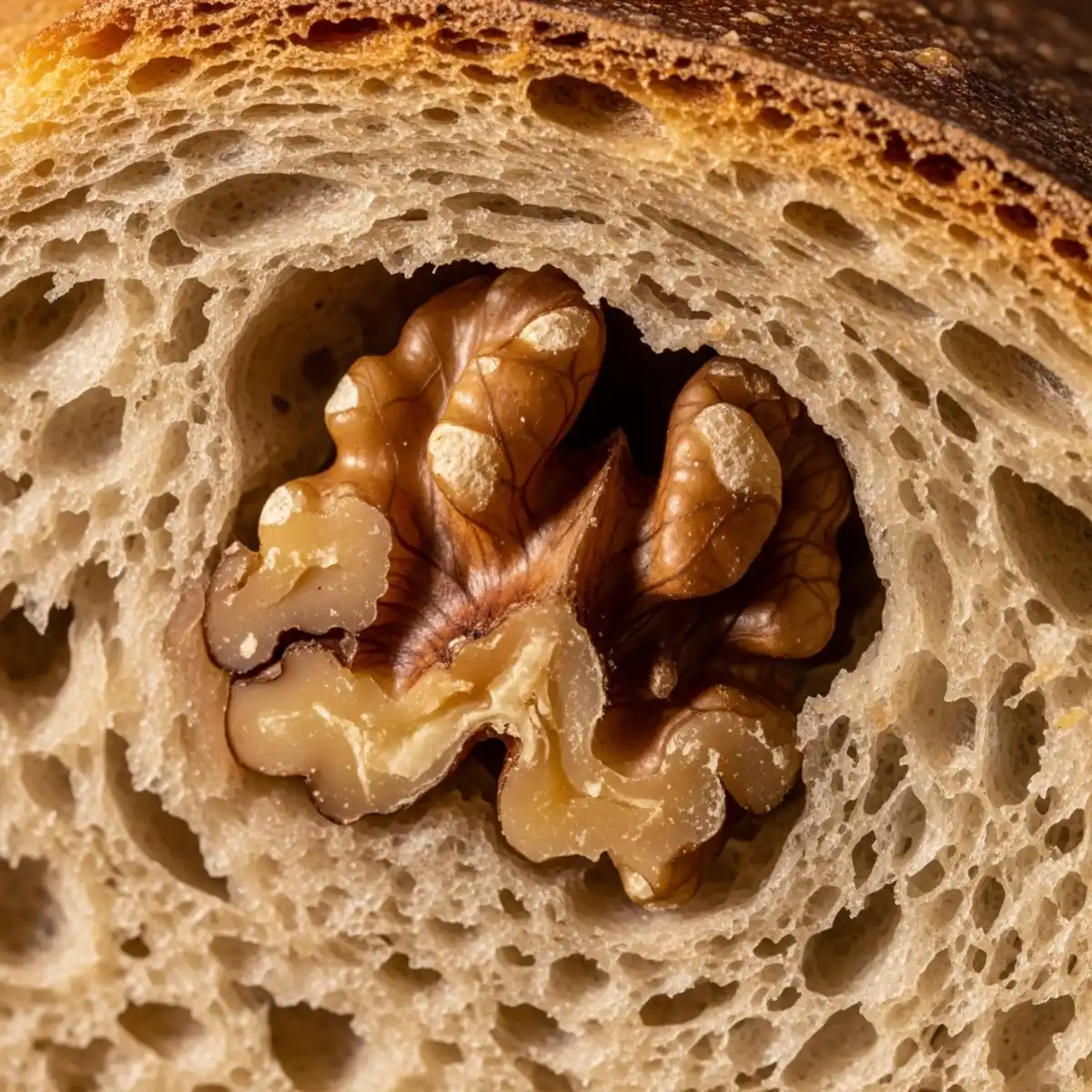
There is something profoundly comforting about a Traditional British Banana and Walnut Loaf cooling on a wire rack in a sun-drenched kitchen. It is the quintessential "tea-time" treat—not quite a cake, yet far more indulgent than simple bread. For me, this recipe is a masterclass in texture: the soft, tight crumb of the sponge contrasts perfectly with the earthy, buttery crunch of the walnuts.
In the world of British baking, we don't like to waste a thing. This loaf was born from the necessity of using up those forgotten, blackened bananas sitting at the bottom of the fruit bowl. But don’t let its humble origins fool you; when done correctly, this loaf is a sophisticated balance of caramel-like sweetness and nutty depth.
Vidéo de la Recette : Tutoriel pas-à-pas
Why This British Classic Stands Apart
While many American "banana breads" can be oily or overly dense, the British "loaf" style focuses on a lighter, more cake-like structure. By using the creaming method—beating the butter and sugar until pale—we incorporate air that allows the loaf to rise beautifully without becoming heavy.
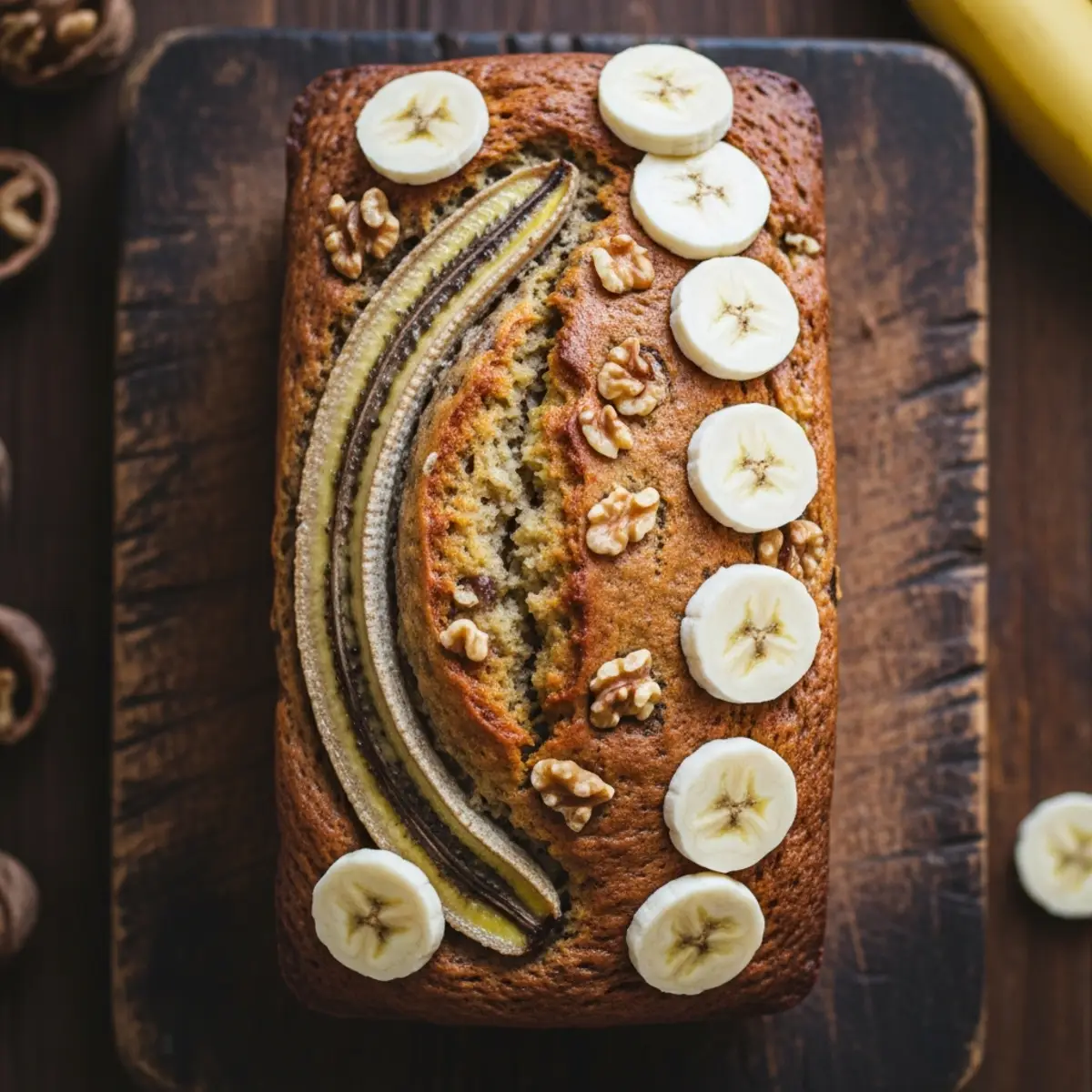
The addition of walnuts is non-negotiable for the traditionalist. They provide a structural "snap" that breaks up the moisture of the banana. If you want to take it to the next level, I always recommend lightly toasting your walnut pieces in a dry pan for three minutes before folding them into the batter. This releases the oils and intensifies the flavor.
Sarah's Secret Tips for Success
- The Banana Ratio: Use exactly three medium-sized bananas. Too many will make the loaf soggy and prevent it from rising; too few, and you lose that signature damp crumb.
- Room Temperature Ingredients: Ensure your eggs and butter are at room temperature. This prevents the batter from splitting when you combine the fats and liquids.
- The "Sling" Method: Use a long strip of parchment paper that hangs over the sides of the tin. This makes it incredibly easy to lift the loaf out without breaking the delicate top crust.
- The Texture Test: Because banana loaf is so moist, the "toothpick test" can be tricky. Ensure the skewer comes out clean or with just a few dry crumbs. If it's sticky, give it another five minutes.
Serving Suggestions
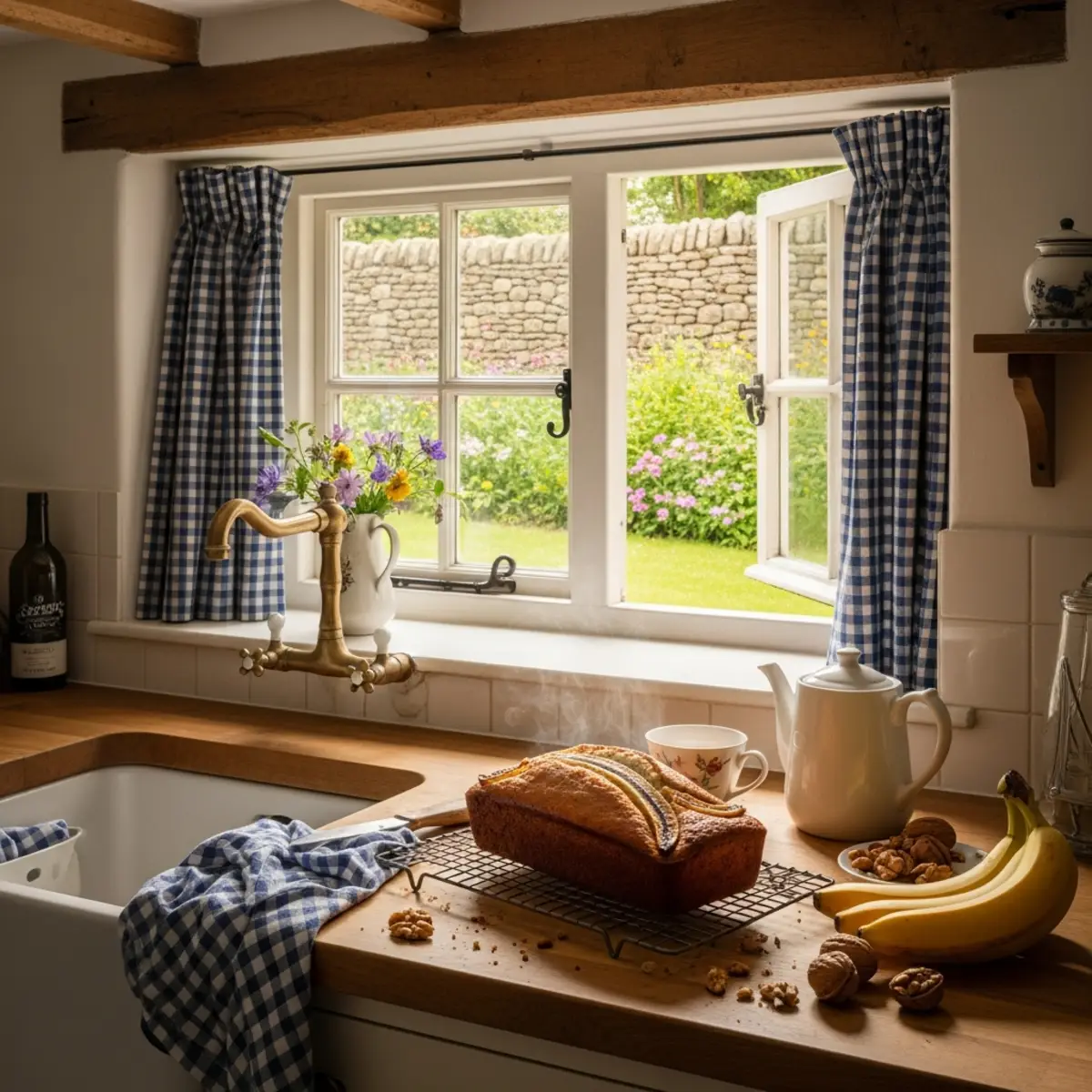
In England, we rarely eat this plain. A thick slice, served slightly warm, is best accompanied by a generous smear of salted butter. The salt cuts through the sweetness of the fruit perfectly. For a more decadent afternoon tea, try a dollop of clotted cream or a drizzle of honey.
Frequently Asked Questions
Can I use a different type of nut?
While walnuts are traditional, pecans make an excellent substitute. They offer a similar crunch but with a slightly sweeter, more buttery profile.
How do I store my banana loaf?
Store it in an airtight container at room temperature. Interestingly, this loaf often tastes better on the second day as the banana flavors have more time to develop and the moisture redistributes.
What if my bananas aren't ripe enough?
If you're craving banana loaf but your fruit is yellow, pop the unpeeled bananas in an oven at 150°C for about 15 minutes until the skins turn black. Let them cool, and they will be perfectly soft and sweet for baking!