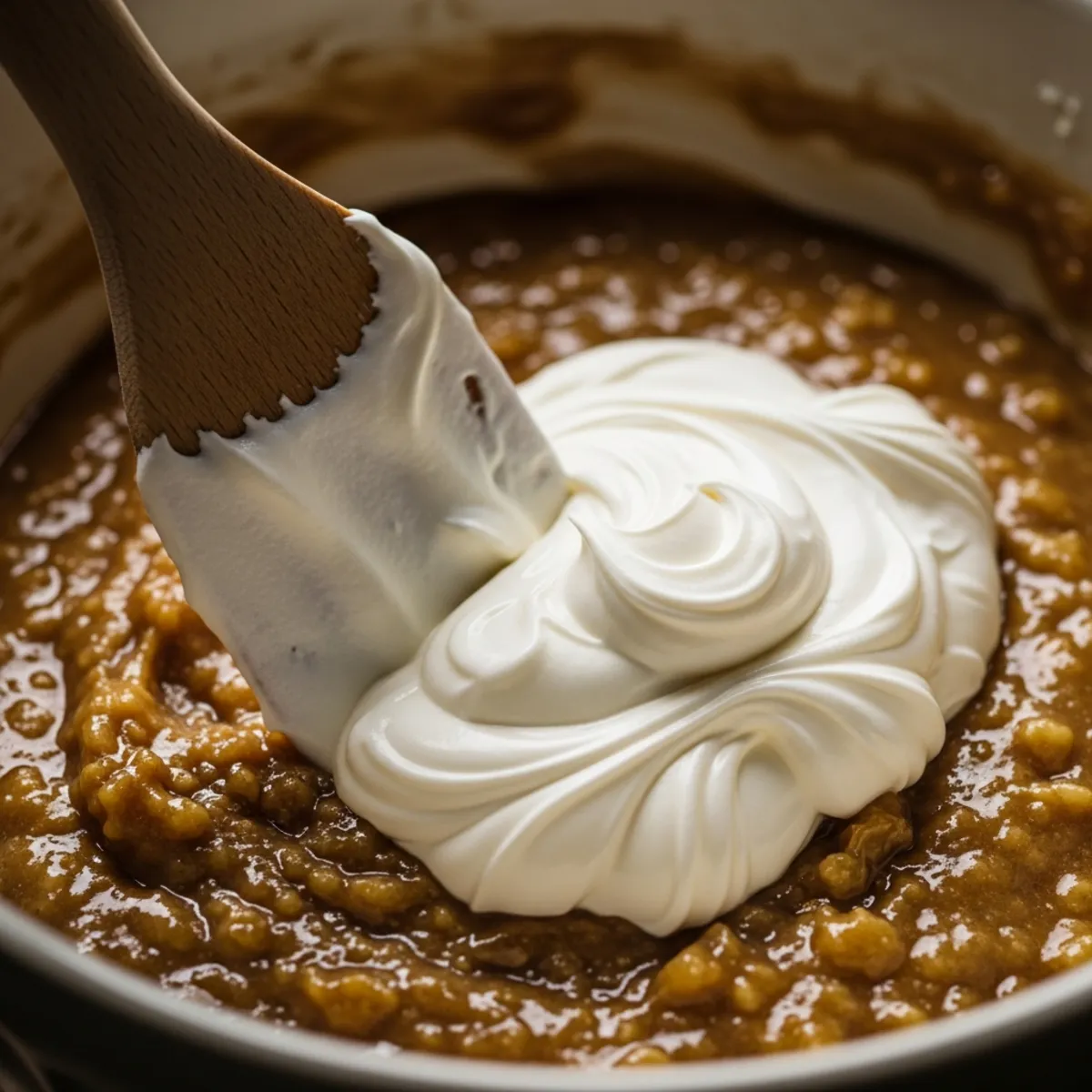
We have all been there: you reach for a homemade banana muffin only to find it dry, crumbly, and frankly, disappointing. As a food writer who has spent years chasing the "perfect crumb," I can confidently tell you that the difference between a mediocre muffin and a bakery-style masterpiece comes down to one single ingredient: sour cream.
In this guide, I’m breaking down the science of why this tangy dairy product transforms your baking and sharing my foolproof method for the moistest banana muffins you will ever taste.
Vidéo de la Recette : Tutoriel pas-à-pas
The Science: Why Sour Cream is a Baking Miracle
If you’ve ever wondered why some muffins have that soft, almost velvety texture while others feel like sawdust, the answer lies in the fat content and acidity.
Sour cream is a powerhouse in the oven for three specific reasons:
- Moisture Without Thinning: Unlike milk or water, sour cream adds moisture without making the batter too thin. This allows the muffins to rise high and maintain a thick, luscious structure.
- Acidity for Tenderness: The lactic acid in sour cream breaks down the gluten strands in the flour. This results in a "tender" crumb that melts in your mouth rather than being chewy or tough.
- Fat for Flavor: Fat carries flavor. By using full-fat sour cream, you are enhancing the natural sweetness of the overripe bananas and the richness of the butter.
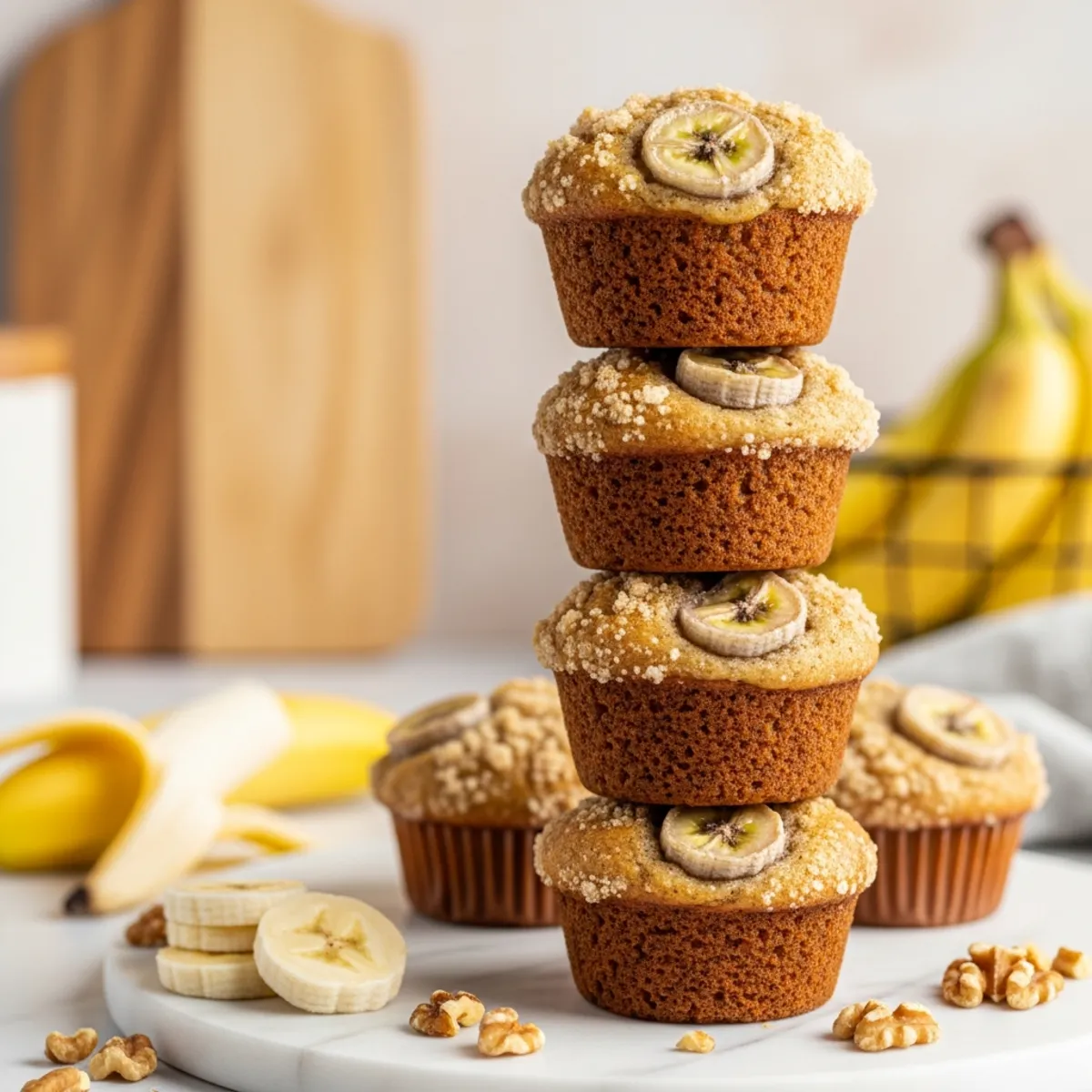
The Secret to the Perfect Crumb
When you look at a professional muffin, you notice the interior isn't just "wet"—it's aerated and light. Achieving this at home requires a gentle touch.
When you fold your dry ingredients into the wet banana-sour cream mixture, you must stop the moment you no longer see streaks of white flour. Over-mixing develops gluten, which is the enemy of a soft muffin. The sour cream acts as a safety net here, keeping things moist even if you go a couple of turns too far with the spatula.

Sarah’s Pro Tips for Bakery-Style Results
To take these muffins from "good" to "world-class," follow these professional secrets:
- The Temperature Hack: Ensure your egg and sour cream are at room temperature. Cold ingredients don't emulsify properly, which can lead to uneven baking.
- The Sugar Balance: I use granulated sugar to keep the color light and the edges slightly crisp, but you can swap half for brown sugar if you want a deeper, molasses-like undertone.
- The High-Heat Start: If you want those tall, domed muffin tops, start your oven at 400°F for the first 5 minutes, then drop it to 375°F for the remainder of the bake. This "burst" of heat creates a rapid rise.
Frequently Asked Questions
Can I freeze these muffins?
Absolutely. These muffins freeze beautifully. Let them cool completely, wrap them individually in plastic wrap, and store them in a freezer bag for up to 3 months. Thaw at room temperature or microwave for 20 seconds.
What if I don't have sour cream?
As mentioned in the recipe card, Greek yogurt is your best friend. Ensure it is full-fat (5%) for the best results. If you are in a pinch, crème fraîche also works wonderfully.
Should I use salted or unsalted butter?
I always recommend unsalted butter so you can control the salt levels yourself. If you only have salted butter, simply omit the extra half-teaspoon of salt from the dry ingredients.