
I still remember the first time I tried to replicate the iconic Starbucks banana bread. I was twenty-two, working in a cramped apartment kitchen with an oven that had two settings: "inferno" and "off." I used four sticks of butter, barely ripe yellow bananas, and mixed the batter until my arm hurt. The result? A dry, rubbery brick that could have served as a doorstop. It was heartbreaking. I could smell the potential—the caramelized sugar, the warm vanilla—but the texture was a disaster.
It took me years of professional baking and testing to understand that the secret to "The Ultimate Moist Banana Bread (Better Than Starbucks)" isn't just about adding more bananas; it's about the delicate balance of fat, acid, and handling. There is a specific sensory experience we are chasing here: the slightly sticky top surface, the dense yet tender crumb that melts on the tongue, and the crunch of a toasted walnut breaking up the softness.
This recipe is my love letter to that coffee shop classic, but elevated. We are ditching the dryness and dialing up the moisture to create a loaf that actually tastes better the next day.
Why This Recipe Works (The Science)
You might wonder why this specific formulation claims the title of "The Ultimate Moist Banana Bread (Better Than Starbucks)." It comes down to three specific chemical interactions:
- Oil vs. Butter: While butter provides a milky flavor, it contains water and milk solids. Vegetable oil is 100% fat and remains liquid at room temperature. This coats the flour proteins more effectively, preventing them from bonding too tightly (which causes toughness) and ensuring the sensation of "moistness" persists days after baking.
- The Acid Factor (Sour Cream): Baking soda requires an acid to react and create carbon dioxide lift. Bananas are mildly acidic, but adding sour cream supercharges this reaction. Furthermore, the acid in the sour cream breaks down gluten strands, resulting in a significantly more tender crumb.
- Hygroscopic Sugars: We use a blend of white and brown sugar. Brown sugar contains molasses, which is hygroscopic—meaning it attracts and holds water molecules from the air, actively fighting against staling.
Key Ingredients
To achieve the "Better Than Starbucks" standard, we cannot compromise on these components.
- Overripe Bananas: I mean ugly bananas. They should be more black than yellow. At this stage, the starches have fully converted to sugars, providing the essential sweetness and moisture structure.
- Vegetable Oil: A neutral oil (canola or vegetable) allows the banana flavor to shine without the heaviness of butter.
- Sour Cream: This is the secret weapon for density. It creates that rich, almost cake-like texture that distinguishes a coffee shop loaf from a dry home-baked version.
- Walnuts: Starbucks uses walnuts, not pecans. Their slightly bitter, tannins profile cuts through the intense sweetness of the banana and sugar.
- Vanilla Extract: Don't skimp here. It bridges the flavor between the caramelized crust and the fruity interior.
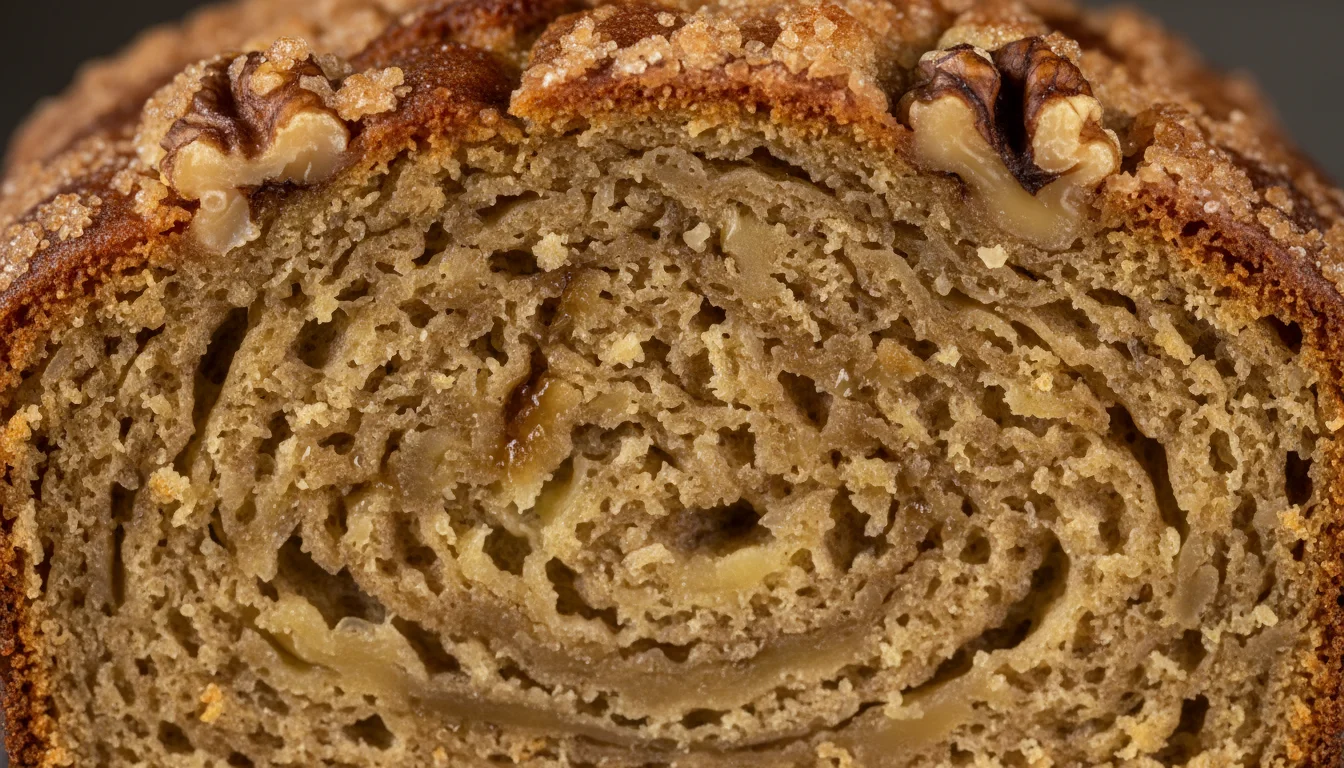
SOS The Ultimate Moist Banana Bread (Better Than Starbucks): Expert Troubleshooting
Even the best recipes can face oven-specific issues. Here is how to diagnose and fix common banana bread failures.
| Issue | Cause | Fix |
|---|---|---|
| The "Sinking Valley" | Underbaking inside or too much leavening. | If the center collapses as it cools, the internal structure wasn't set (raw). Next time, cover with foil and bake 10-15 mins longer. Check your baking soda isn't expired. |
| Gummy / Dense Bottom | "Wet feet" caused by improper cooling or old bananas. | Never leave the bread in the pan for more than 10 minutes. The residual heat creates condensation that turns the bottom to mush. Move to a wire rack immediately after the rest period. |
| Burnt Outside, Raw Inside | Oven temperature is too high or pan is dark. | Dark metal pans absorb heat faster. Reduce oven temp by 25°F if using a dark pan. Tent the loaf with foil at the 40-minute mark to shield the crust while the center finishes. |
| Tough / Rubbery Texture | Overdevelopment of gluten (Overmixing). | Once the flour hits the wet ingredients, switch to a spatula and fold gently. Stop the second the white streaks disappear. Never use an electric mixer for the final step. |
| Tunneling (Large Holes) | Batter was beaten too vigorously. | This is also a symptom of overmixing. The gluten traps large air bubbles that can't escape. Treat the batter like a delicate soufflé during the final fold. |
Chef's Tips
As a pastry expert, here are my non-negotiable tips for ensuring this is truly "The Ultimate Moist Banana Bread (Better Than Starbucks)":
- The Freezer Stash: I never throw away a banana. When they go black, I toss them whole into the freezer. When you thaw them for this recipe, they release a liquid ("banana liquor"). Do not drain this. Pour it all into the batter; it is pure flavor gold.
- Room Temperature Ingredients: Your egg and sour cream must be at room temperature. If they are cold, they will seize the oil, preventing proper emulsification. A broken emulsion leads to a greasy loaf.
- The "Tenting" Technique: This bread has a high sugar content, meaning it browns fast. I always set a timer for 40 minutes to check the color. If it's deep golden, I place a loose sheet of foil on top for the remaining bake time.
- Flour Measurement: Do not scoop the flour directly with the measuring cup. This packs it down and leads to a dry loaf. Use the "spoon and level" method: spoon flour into the cup and level it off with a knife.
- The Waiting Game: This is the hardest tip. Banana bread tastes 50% better the day after it is baked. The flavors meld, and the moisture redistributes. If you can, wrap it up once cool and wait 24 hours before slicing.
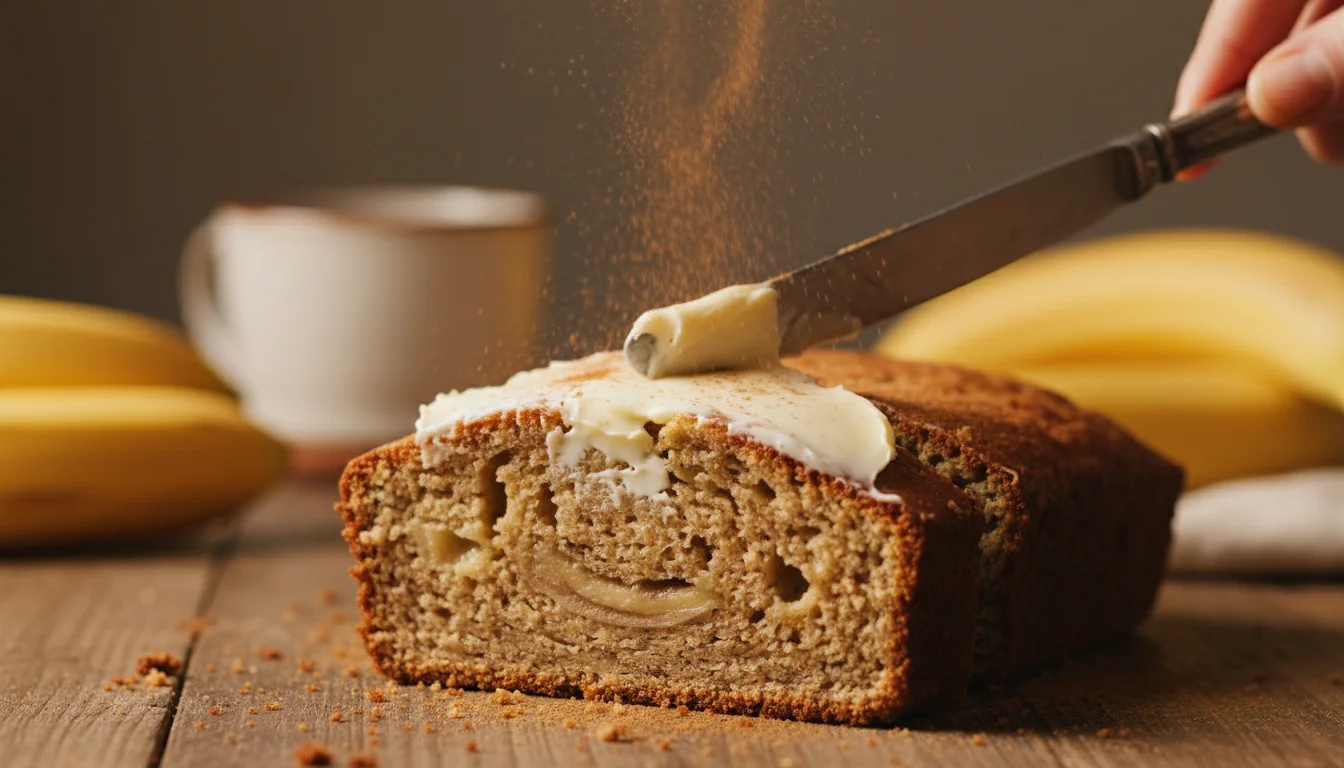
This isn't just a quick bread; it's a staple of comfort baking. Once you master "The Ultimate Moist Banana Bread (Better Than Starbucks)," you will never feel the need to spend $4 on a slice at the counter again. Enjoy the process, and let the aroma fill your home.