Warm Cinnamon-Spiced Heritage Loaf
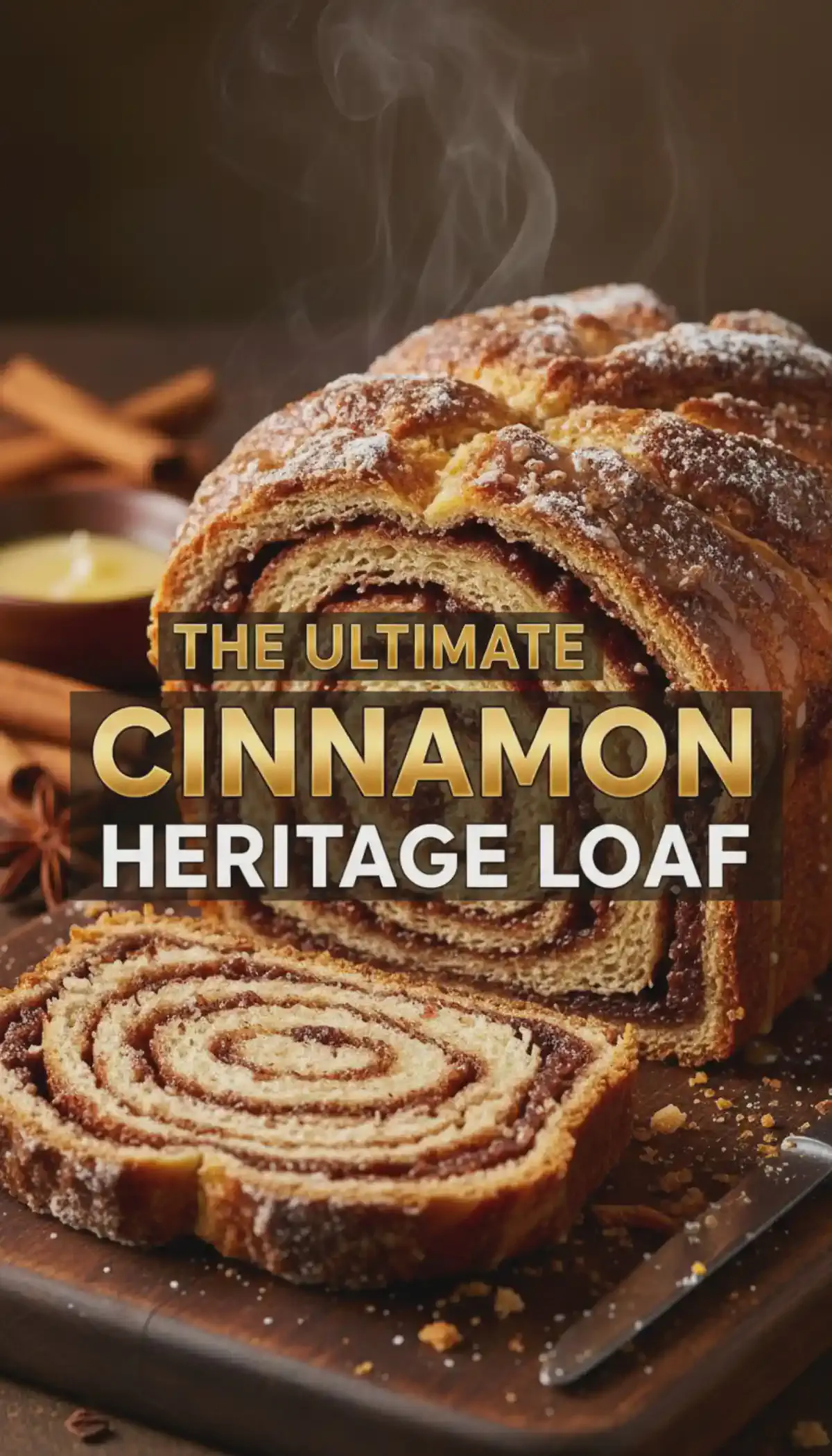
Fill your kitchen with the nostalgic aroma of this Warm Cinnamon-Spiced Heritage Loaf. A tender, buttery crumb meets a bold, caramelized cinnamon swirl in this classic recipe.
There is a specific kind of magic that happens when cinnamon meets yeast dough. It’s not just about the flavor—it’s about the memory. This Warm Cinnamon-Spiced Heritage Loaf is inspired by the traditional boulangerie style of baking: patience, quality grains, and the warmth of simple spices.
As a food writer, I’ve tasted pastries in Paris and cinnamon buns in Sweden, but nothing beats the humble, sliceable heritage loaf right out of your own oven. It bridges the gap between a breakfast staple and a decadent treat.
Why This Heritage Recipe Works
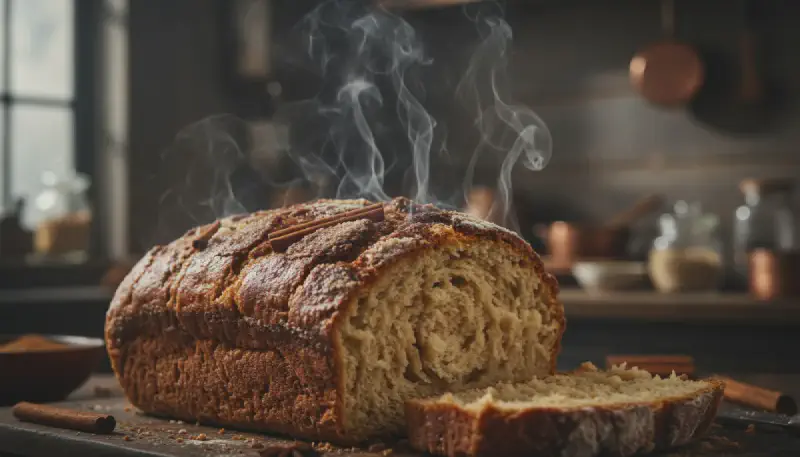
Unlike quick breads, this is a yeast-leavened loaf. This means we get that incredible, elastic chew and a depth of flavor that only fermentation can provide. The “Heritage” aspect comes from the method—we aren’t rushing the rise. We are allowing the gluten to develop slowly, resulting in a structure that can hold that heavy, caramelized cinnamon swirl without collapsing.
The Flavor Profile
- The Dough: Enriched with milk and butter, it is tender but sturdy enough to toast.
- The Swirl: We use a high ratio of cinnamon to brown sugar. The molasses in the brown sugar creates a sticky, caramel-like interior.
- The Aroma: It fills the house. There is no candle in the world that smells as good as this bread baking.
Ingredients and Techniques
To achieve that bakery-quality result, the details matter.
- The Cinnamon: If you can find it, use Saigon Cinnamon. It has a higher oil content and a spicier kick than standard table cinnamon, which stands up beautifully against the sweet dough.
- The Flour: While bread flour gives the best chew, a high-quality all-purpose flour works perfectly fine for a softer, more cake-like crumb.
- Temperature: Ensure your milk is warm, not hot. If it burns your finger, it will kill the yeast. Aim for “baby bath” temperature (approx. 110°F).
Sarah’s Secret Tip: The “Tight Roll” Technique
The most common issue bakers face with swirl breads is “gapping”—where the bread separates from the filling, leaving a hole in your slice.
The Secret: Before you roll up your dough, lightly mist the surface of the cinnamon-sugar filling with water using a spray bottle. This creates a sugar-paste that adheres the dough layers together. Furthermore, when you place the loaf in the pan, ensure the seam side is strictly at the bottom to prevent unraveling during the oven spring.
Serving Suggestions
This loaf is magnificent on its own, but it transforms when toasted. The sugar in the swirl caramelizes against the toaster heat, creating a crunchy, sweet texture. Serve with:
- Salted cultured butter (to cut the sweetness).
- A dollop of mascarpone and fresh figs.
- Used as the base for the ultimate French Toast.
Frequently Asked Questions
Here are the most common questions I get about baking heritage spice loaves.
1. Why does my bread separate at the swirl?
This creates the dreaded “tunnel” in the bread. It usually happens if the dough was rolled too loosely or if the filling was too dry. As mentioned in the secret tip, misting the filling with water and rolling the log tightly helps the layers adhere to one another.
2. Can I make this dough the night before?
Yes, this is actually recommended for better flavor! Prepare the dough, let it knead, and then place it in a greased bowl covered with plastic wrap in the refrigerator for the first rise (overnight). The cold fermentation deepens the flavor. Let it come to room temperature for 30 minutes before rolling and shaping the next morning.
3. What acts as the best substitute for bread flour?
If you don’t have bread flour, unbleached All-Purpose flour is the best substitute. The protein content is slightly lower, so your bread will be slightly softer and less chewy, but still delicious. Avoid cake flour or self-rising flour.
4. How do I know when the loaf is fully cooked?
Visually, it should be a deep golden brown. However, enriched doughs can brown quickly due to sugar. The best test is the “thump” test—tap the bottom of the loaf, and it should sound hollow. For absolute precision, use a digital thermometer; the internal temperature should reach 190°F (88°C).
5. Can I add raisins or nuts?
Absolutely. This “Heritage” base is very versatile. You can sprinkle ½ cup of raisins, currants, or toasted chopped pecans over the cinnamon sugar layer before rolling it up. If using dried fruit, I suggest soaking them in warm water (and draining them well) beforehand so they don’t dry out the bread.
Warm Cinnamon-Spiced Heritage Loaf
Ingredients
Instructions
- Activate the Yeast: In a stand mixer bowl or large bowl, combine the warm milk and 1 teaspoon of the sugar. Sprinkle the yeast over the top and let it sit for 5-10 minutes until foamy.
- Make the Dough: Add the remaining sugar, melted butter, egg, and salt to the yeast mixture. Whisk to combine. Gradually add the flour, mixing with a dough hook (or wooden spoon) until a shaggy dough forms.
- Knead and Rise: Knead on medium speed (or by hand) for 8-10 minutes until the dough is smooth and elastic. Place in a greased bowl, cover with a damp cloth, and let rise in a warm place for 1 to 1.5 hours, or until doubled in size.
- Shape and Fill: Punch down the dough and roll it out on a lightly floured surface into a 9x18 inch rectangle. Spread the softened butter over the surface. Mix the brown sugar and cinnamon, then sprinkle evenly over the butter. Roll the dough up tightly from the short end.
- Second Rise and Bake: Place the log into a greased 9x5 inch loaf pan. Cover and let rise for another 30-45 minutes. Preheat oven to 350°F (175°C). Bake for 40-45 minutes until golden brown and the internal temperature reaches 190°F (88°C).
Nutrition
Calories: 295 kcal | Protein: 6 g | Fat: 12 g | Sugar: 18 g