Ultimate Sour Cream Banana Bread: The Secret to a Velvety Crumb
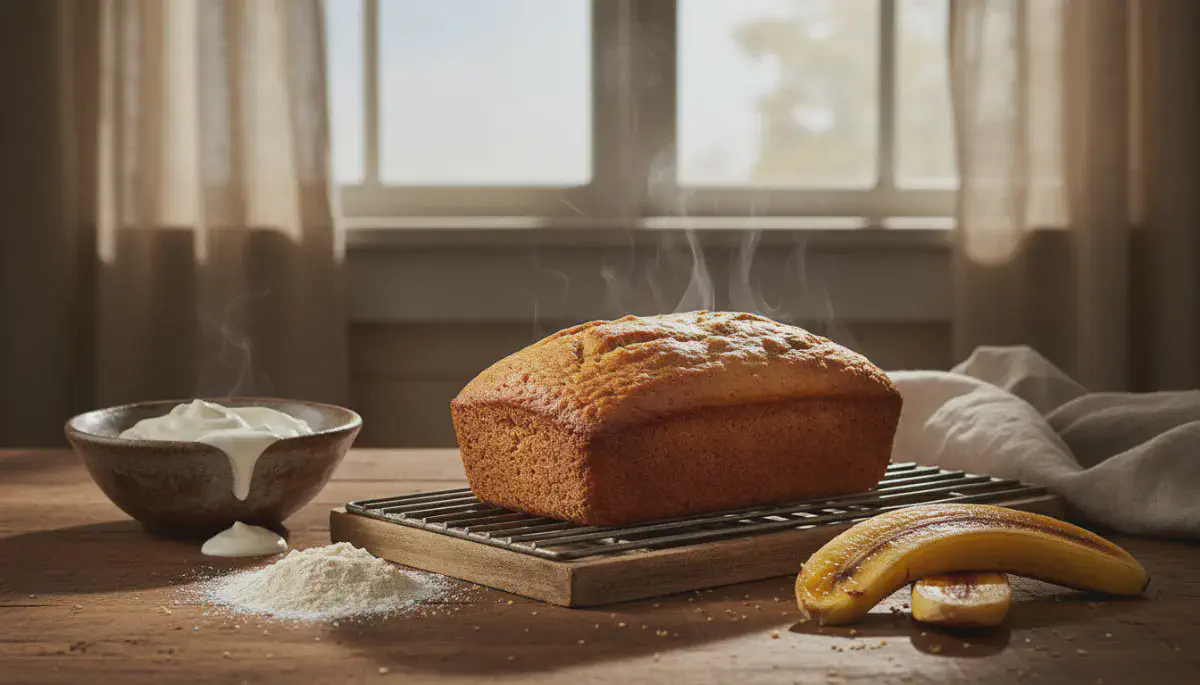
Discover the culinary science behind the moistest sour cream banana bread. Sarah Baker reveals how acidity and fat content create a velvety crumb and perfect golden crust.
I still remember the first loaf of banana bread I ever analyzed in a lab setting. It looked perfect—golden dome, distinct crack—but the crumb was disappointing. It was coarse, dry, and relied entirely on the bananas for moisture. As a culinary scientist, I knew there had to be a better way to achieve that elusive, dense-yet-fluffy texture that melts on the tongue.
The breakthrough came when I began experimenting with acidic dairy. Most home bakers rely on oil for moisture or butter for flavor, often forcing a compromise between the two. But the introduction of sour cream changes the chemical landscape of the batter entirely. It isn’t just an ingredient; it is a texture modifier.
This recipe is the culmination of years of testing. It is designed to produce a loaf with a tight, velvety crumb structure that supports the weight of the fruit without becoming gummy.
The Secret to Success: The Science of Acidity
Why is sour cream the “secret weapon” in this formulation? It comes down to two primary factors: pH levels and fat structure.
- The Acid Reaction: Bananas vary in acidity, but they generally aren’t acidic enough to fully activate baking soda on their own. Sour cream provides a robust dose of lactic acid. When this acid hits the sodium bicarbonate (baking soda), it creates carbon dioxide gas. This ensures a consistent, high rise, preventing the dreaded “dense brick” outcome.
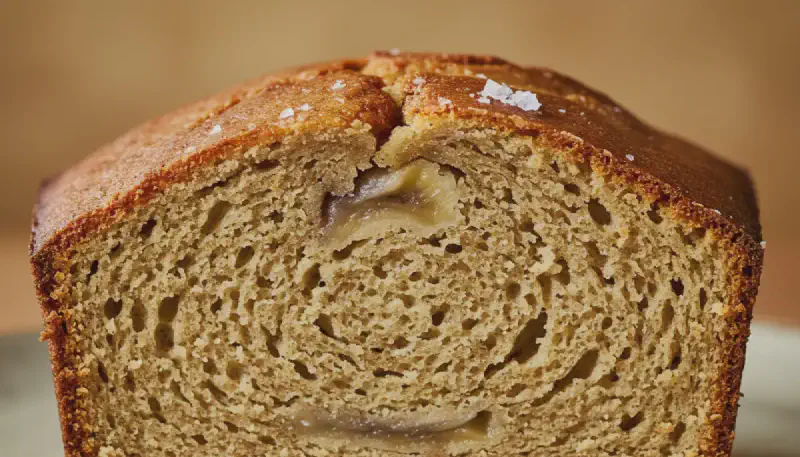
- Shortening the Gluten: This is the key to the “velvety” texture. The high fat content in sour cream coats the flour proteins (glutenin and gliadin). By coating these proteins, the fat limits their ability to bond and form long, tough gluten networks. The result is a crumb that is tender and soft, rather than chewy or bread-like.
Essential Ingredients
In the world of pastry science, ingredient quality and state dictate the final reaction. Here is what you need to know about your mise en place.
The Bananas
You need bananas that have undergone significant enzymatic hydrolysis. This is the process where amylase breaks down starch into sugar. Look for skins that are at least 50% brown/spotted. Yellow bananas will result in a dry, flavorless loaf because the starches haven’t converted to invert sugars yet.
The Flour
Standard All-Purpose flour (10-11% protein content) is ideal here. Bread flour will make it too tough; cake flour may not have enough structure to hold up the heavy fruit.
The Fats: Butter vs. Sour Cream
We use a hybrid approach.
- Melted Butter: Provides the distinct, nutty flavor that oil lacks.
- Sour Cream: Compensates for the water content lost by using butter, adding richness without making the batter greasy.
The Sugars
I utilize a blend of granulated and light brown sugar. The molasses in the brown sugar is hygroscopic—meaning it attracts and holds water molecules from the air—keeping the bread moist long after it has cooled.
Expert Tips for a Professional Finish
Achieving that bakery-style dome requires more than just following the ingredient list; it requires technique.
1. The “Muffin Method” is Non-Negotiable We use the muffin mixing method (wet into dry). Once the flour hits the wet ingredients, the clock starts ticking. Mix only until you no longer see dry flour. If you overmix, you develop gluten, and your “velvety” crumb will turn into a rubbery sponge.
2. Temperature Matters Your egg and sour cream must be at room temperature. If you add cold sour cream to melted butter, the butter will seize and coagulate, breaking your emulsion. A broken batter often leads to a greasy bottom crust.
3. The Carryover Cook Remove the bread when a toothpick has a few moist crumbs attached. If the toothpick comes out clean, you have actually overbaked the loaf. The internal temperature will continue to rise for about 5-10 minutes after you pull it from the oven (carryover cooking).
Troubleshooting Common Issues
Even the best bakers encounter variables. Here is a quick diagnostic table to help you perfect your loaf.
| Issue | Likely Cause | The Fix |
|---|---|---|
| Sinking Center | Underbaking or too much leavening. | Check internal temp (should be ~200°F). Ensure baking soda is measured flat, not heaping. |
| Gummy Bottom | Uneven mixing or cooling in the pan too long. | Whisk wet ingredients thoroughly to emulsify. Remove from pan after 10 mins to prevent steam buildup. |
| Burnt Crust, Raw Inside | Oven too hot or sugar content too high. | Verify oven temp with a separate thermometer. Tent with foil after 30 mins if browning too fast. |
| Tough/Chewy Texture | Overmixing the batter. | Fold gently by hand. Never use an electric mixer for the final step. |
This recipe represents the intersection of home comfort and culinary chemistry. By balancing the pH and controlling gluten development, we elevate a humble classic into a masterpiece of texture.
Ultimate Sour Cream Banana Bread: The Secret to a Velvety Crumb
Ingredients
Instructions
- Prep and Mash: Preheat your oven to 350°F (175°C). Grease a 9x5-inch loaf pan with butter or non-stick spray. Mash the bananas in a bowl until mostly smooth, leaving small chunks for texture.
- Wet Ingredients: In a large mixing bowl, whisk the melted butter with both sugars until well combined. Add the egg, vanilla, and sour cream. Whisk vigorously until the mixture is glossy and emulsified.
- Combine: Stir the mashed bananas into the wet mixture. In a separate bowl, sift together the flour, baking soda, salt, and cinnamon.
- The Fold: Gently fold the dry ingredients into the wet ingredients using a silicone spatula. Stop mixing the moment the last streak of flour disappears to prevent gluten development.
- Bake: Pour the batter into the prepared loaf pan. Bake for 55-65 minutes, or until a toothpick inserted into the center comes out with just a few moist crumbs attached (not wet batter).
- Cool: Let the bread cool in the pan for 10 minutes, then transfer to a wire rack to cool completely before slicing.
Nutrition
Calories: 290 kcal | Protein: 5g | Fat: 12g | Sugar: 24g