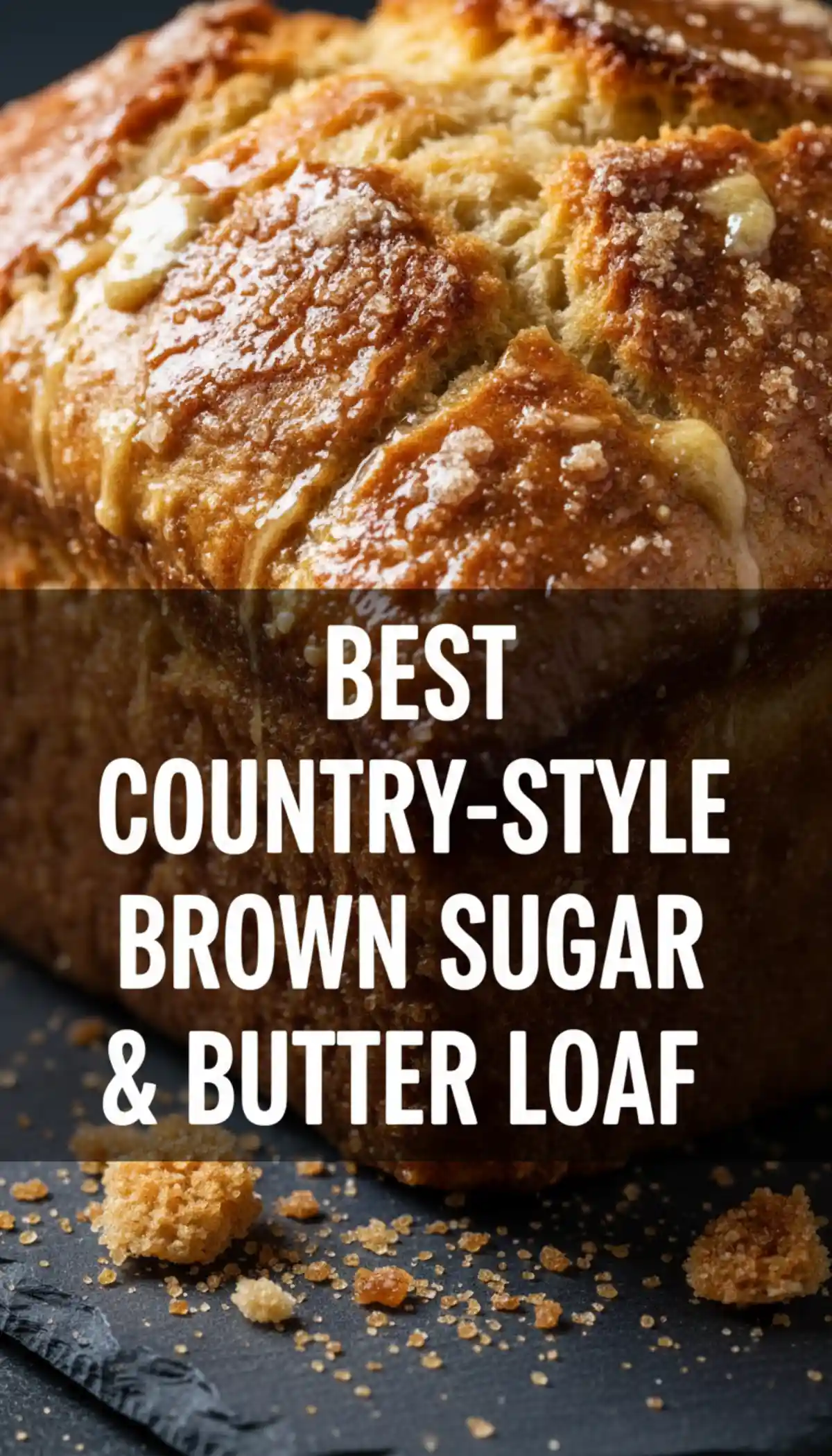
There is something undeniably healing about the scent of butter and brown sugar melting together. It’s a fragrance that speaks of old farmhouses, slow Sunday mornings, and the simple joy of pantry staples transforming into something spectacular.
This Country-Style Brown Sugar & Butter Loaf is one of my absolute favorites in "The Classics" collection. It isn't a yeast bread, meaning you don't have to wait for it to rise. It falls into the "quick bread" family—much like banana bread—but without the fruit distraction. Here, the star is the deep, molasses-rich flavor of the sugar and the velvety crumb provided by the butter.
Why This Recipe Works
In my years of food writing, I've found that the best recipes are often the simplest. This loaf relies on the chemical reaction between the acidic brown sugar/buttermilk and the baking soda to create a tender, moist lift.
- Pantry Friendly: You likely have all these ingredients right now.
- Texture Contrast: We aim for a soft, dense interior with a slightly crunchy, sugary crust.
- Versatility: It pairs perfectly with salty butter for breakfast or a dollop of whipped cream for dessert.
Ingredient Notes & Substitutions
To achieve that authentic "Country-Style" flavor, precision with ingredients matters.
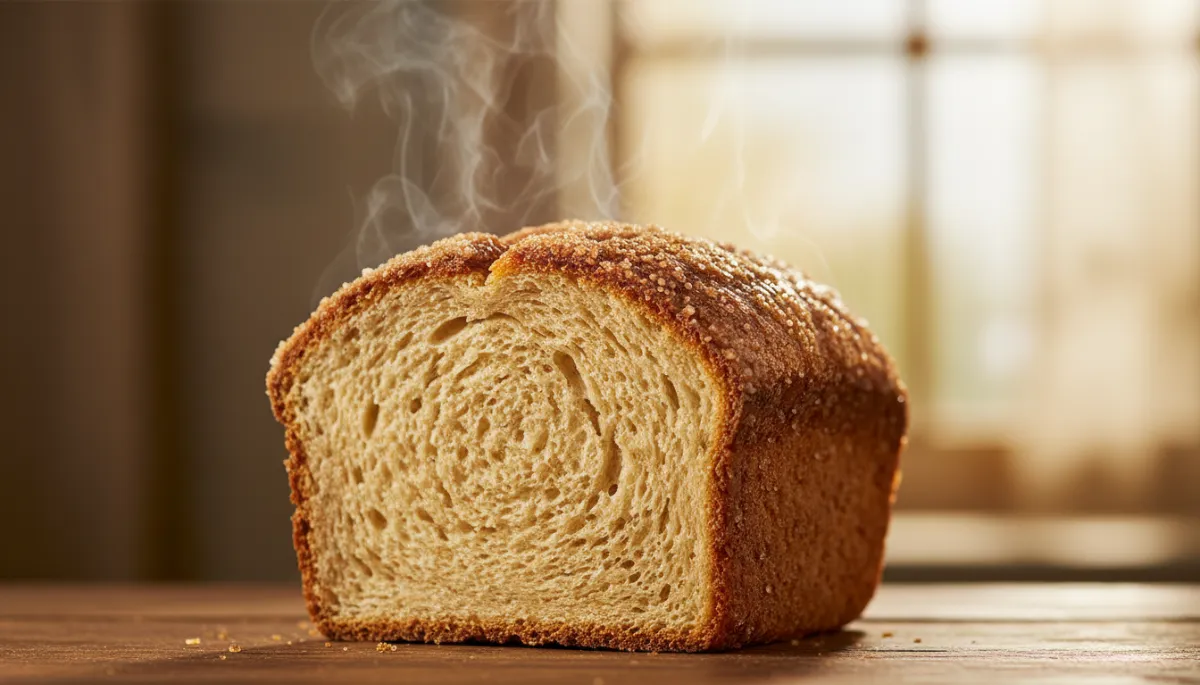
- Dark Brown Sugar: I highly recommend dark over light brown sugar. The higher molasses content gives the bread a darker color and a toffee-like depth that defines this recipe.
- Buttermilk: This provides the acid needed to tenderize the gluten and activate the baking soda. If you don't have buttermilk, mix 1 cup of whole milk with 1 tablespoon of lemon juice or white vinegar and let it sit for 5 minutes.
- Butter: Use unsalted butter so you can control the sodium level. Make sure it is truly softened to room temperature for proper creaming.
Sarah's Secret Tip: The "Sugar Crust" Finish
Most people just pour the batter in and bake. However, to get that bakery-style, professional finish, I use a specific technique.
The Secret: Right before the loaf goes into the oven, sprinkle a generous layer of Demerara or Turbinado (raw) sugar over the wet batter.
Unlike the brown sugar inside the batter which melts, these coarse crystals stay intact, creating a shattered-glass crunch on top of the soft loaf. It adds a textural dimension that takes this from "good" to "world-class."
Serving Suggestions
While it is tempting to slice into the loaf the moment it leaves the oven, patience is a virtue here. Quick breads need to cool completely to set their structure. If you cut it hot, it may crumble or appear gummy.
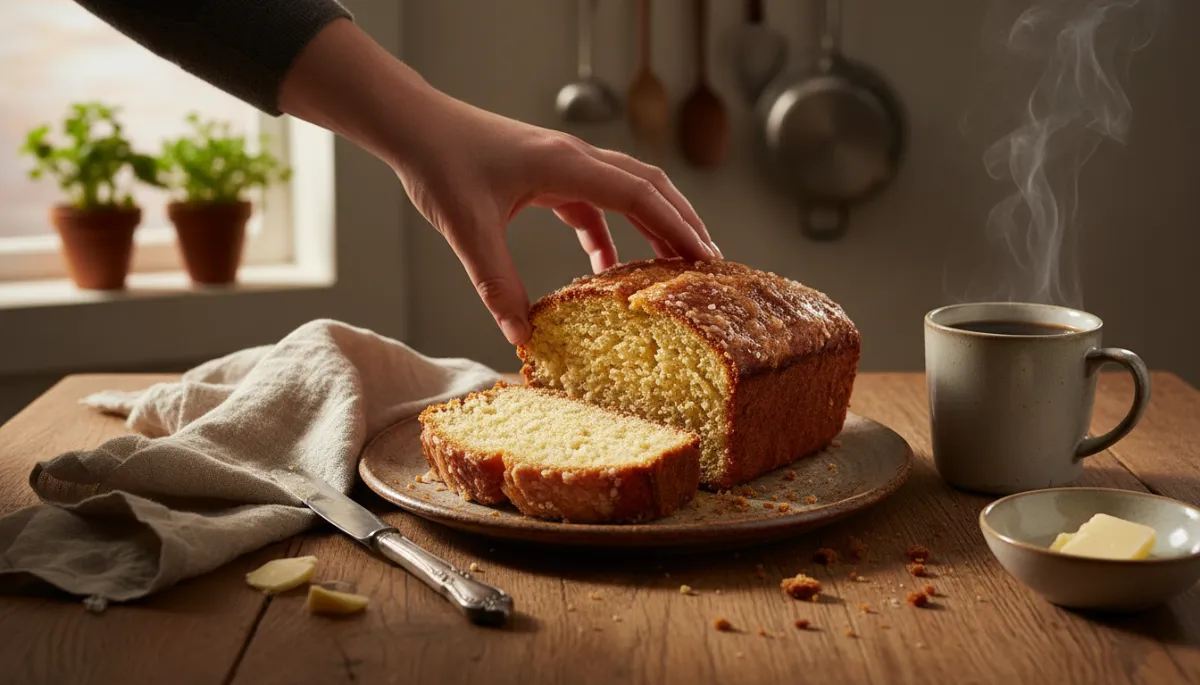
Once cooled, slice it thick. My favorite way to serve this is toasted on a cast-iron skillet, smeared with high-quality salted European butter. The salt cuts through the sweetness of the brown sugar beautifully.
Frequently Asked Questions
Here are the most common questions I get about this specific loaf.
1. Can I freeze this loaf?
Absolutely. This bread freezes beautifully. Wrap the completely cooled loaf tightly in plastic wrap, then in aluminum foil. It will stay fresh for up to 3 months. Thaw overnight on the counter before serving.
2. My loaf is too dry. What happened?
Dryness usually comes from one of two things: over-baking or over-measuring flour. Always use the "spoon and level" method for flour (spoon flour into the cup and level it off with a knife) rather than scooping the cup directly into the flour bag, which packs it down.
3. Can I add nuts or dried fruit?
Yes! This is a sturdy batter. 1/2 cup of toasted pecans or walnuts adds a lovely crunch that complements the brown sugar. Chopped dates are also a fantastic addition for a stickier, sweeter loaf.
4. Can I use light brown sugar instead of dark?
You can. The structural chemistry of the bake will remain the same. However, the flavor will be lighter, more like a sugar cookie than a caramel loaf, and the color will be significantly paler.
5. Why did my loaf crack on top?
A crack down the center is actually the sign of a perfect quick bread! It means the batter rose properly and the crust set while the inside continued to expand. Don't try to prevent it—embrace the rustic look.